If you're reading this article, you're likely drowning in client requests for "viral campaigns" while trying to figure out what works on social media in 2026. The game has changed dramatically.
Social media advertising in 2026 is both fascinating and monumentally challenging. Global ad spending has exploded to $300 billion and everyone wants a piece of the pie. In this guide, we're diving deep into what's working right now, backed by real data and real examples.
What is a Social Media Ad?
A social media ad is a paid advertisement that appears on platforms such as Facebook, Instagram, Twitter, LinkedIn, or TikTok. It's designed to reach a targeted audience, promote a product, service, or event, and drive engagement, leads, or conversions.
Social media ads leverage platform audience data to ensure your message reaches the right people based on demographics, interests, behaviors, and location.
What is a Social Media Campaign?
A social media campaign is a coordinated marketing effort involving multiple ads and content across different platforms to achieve a specific goal—brand awareness, lead generation, sales, or event promotion.
It includes planning, budgeting, targeting, execution, and performance tracking. Success depends on aligning content, tone, and objectives with the audience's interests and each platform's features.
Social Media Ad: Step-by-step guide
1. What's your goal?
Before crafting your ad, figure out what you want to achieve—increase website traffic, drive conversions, or build brand awareness.
2. Who is your target audience?
Social media platforms offer granular targeting options like age, gender, interests, behaviors, and location.
3. What's the platform that you choose?
Instagram may be great for visually-driven campaigns, while LinkedIn is better for B2B-focused content.
4. How do you engage your audience?
Use high-quality images, videos, or graphics that convey your message clearly and grab attention.
5. What should your ad copy be like?
Keep your ad copy short, clear, and focused on the value you're offering. Include a CTA like "Shop Now" or "Learn More."
6. How much should you budget for the campaign?
Set a daily or lifetime budget and determine how much you're willing to pay per click or impression.
7. How to monitor and optimize the campaign
Track CTR, conversions, and engagement. Use these insights to refine targeting, copy, and visuals.
Ways to Advertise on Social Media
Whether you're promoting a product, increasing brand awareness, or driving conversions, choosing the right ad type is crucial.
1. Image Ads
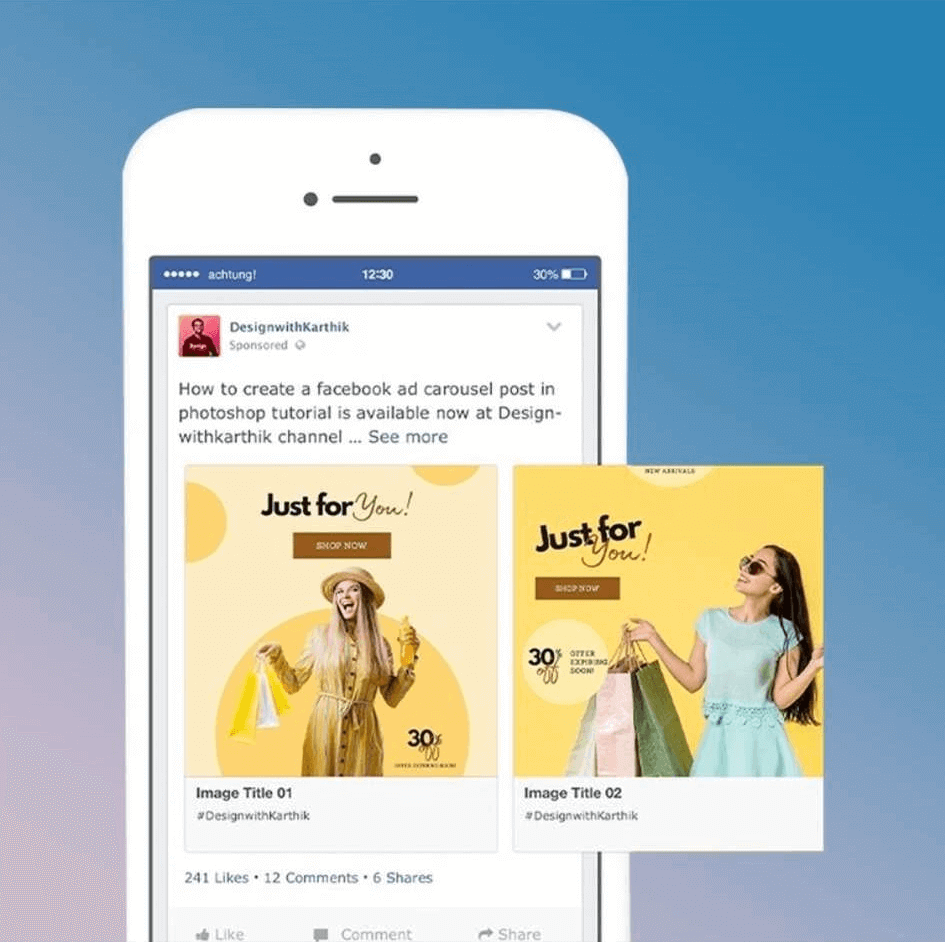
Image ads feature a single, eye-catching image accompanied by a short caption or CTA. Platforms like Instagram and Facebook are ideal for image ads.
2. Video Ads
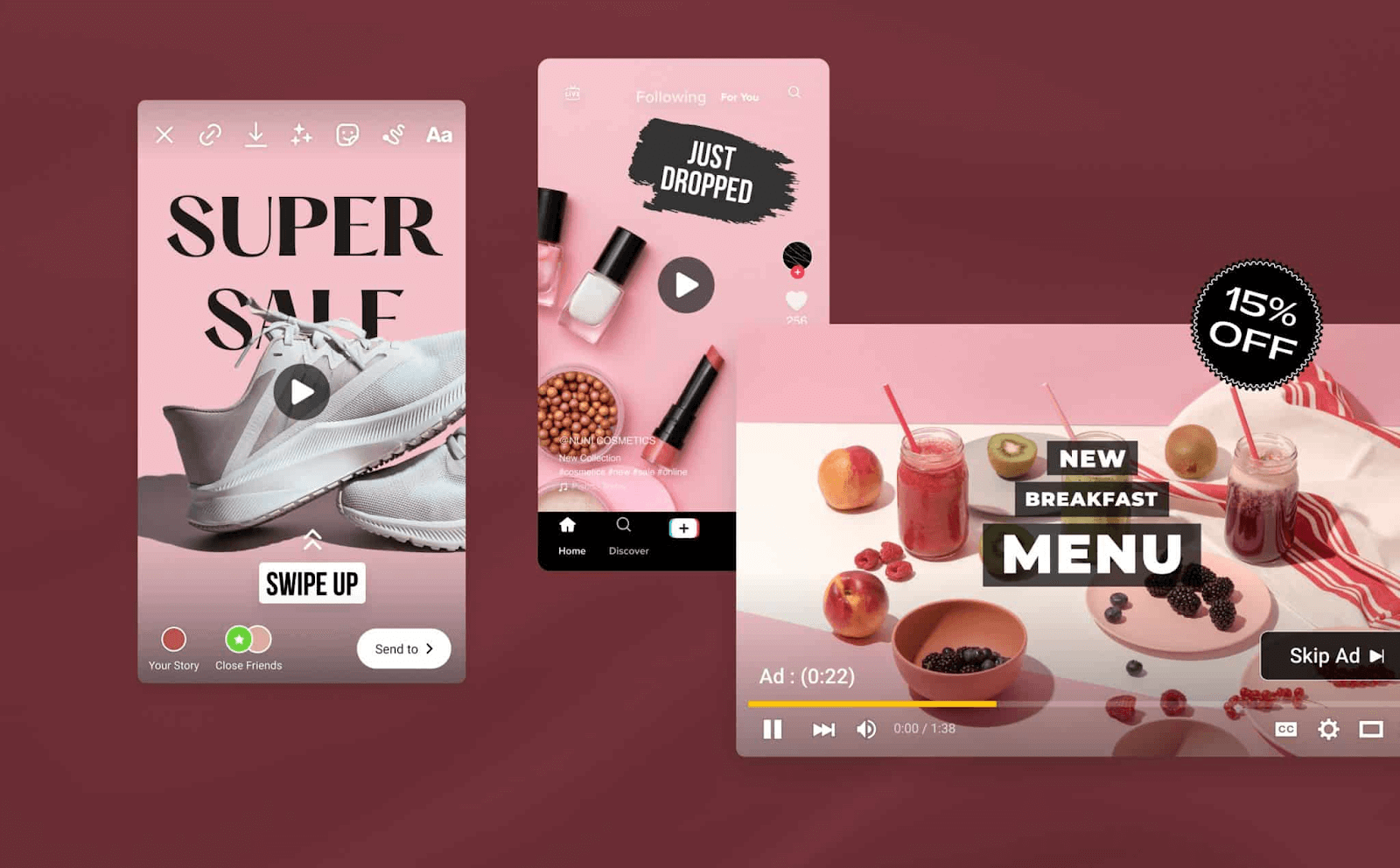
Video ads are perfect for brands that want to tell a story or demonstrate product value dynamically—short-form Reels or longer YouTube content.
3. Carousel Ads
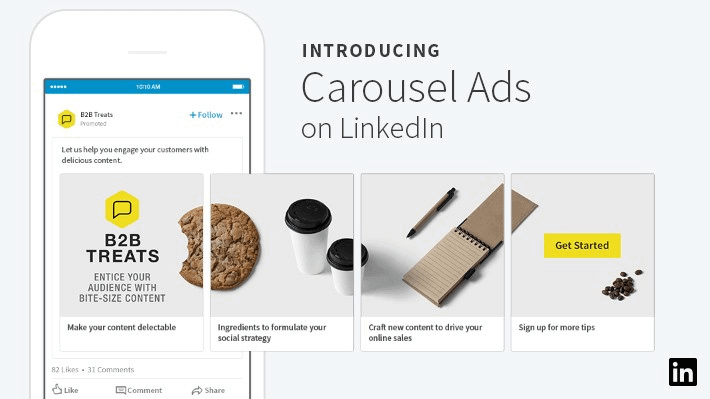
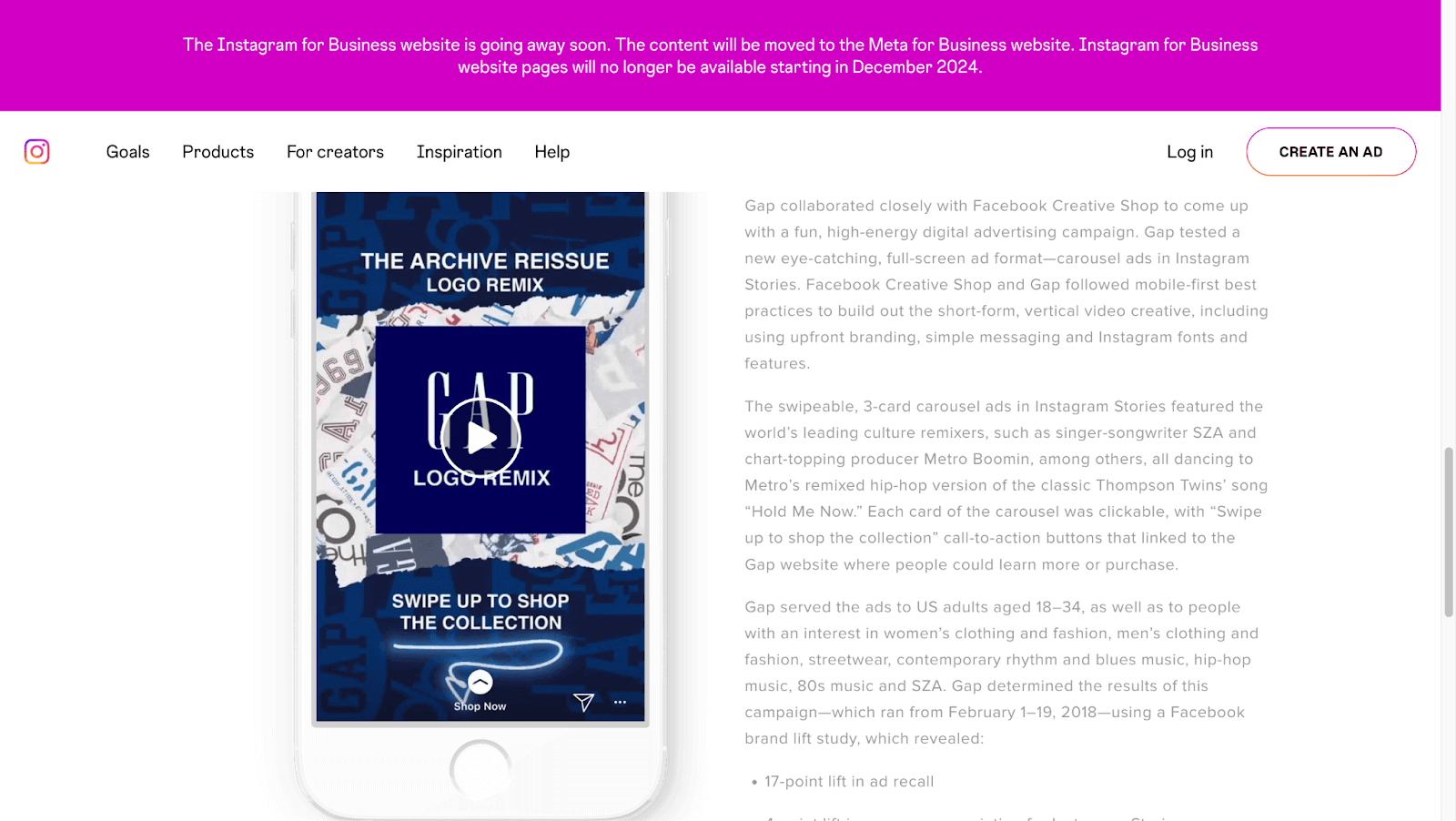
Carousel ads let you showcase multiple images or videos within a single ad unit, allowing users to swipe through your offerings.
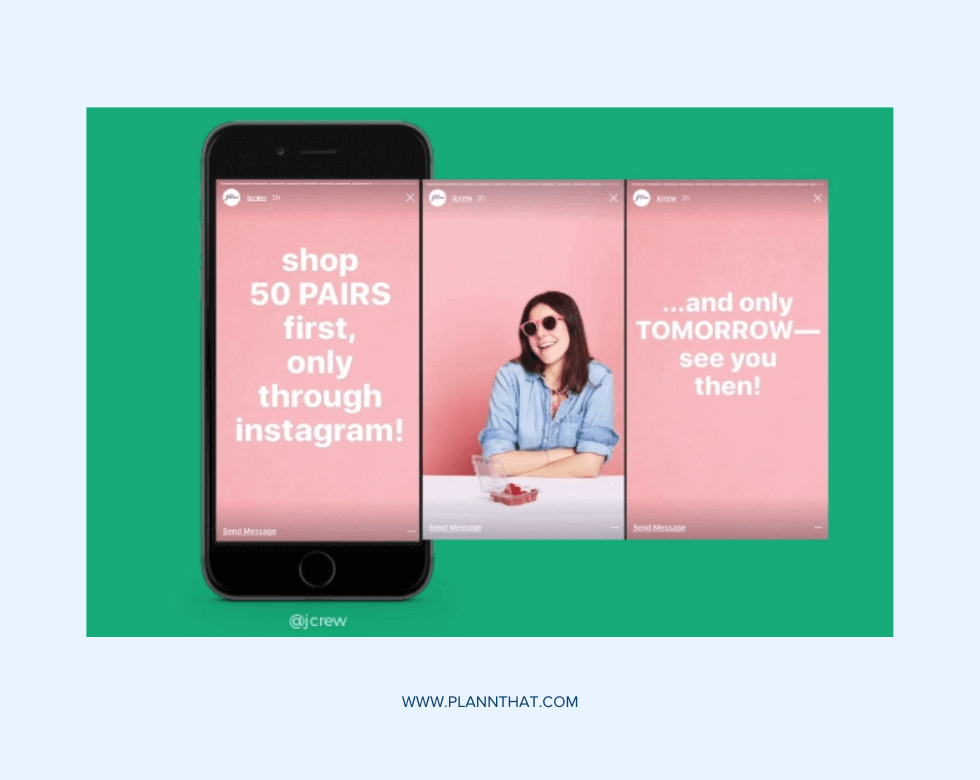
4. Story Ads
Story ads take advantage of the full-screen vertical format on Instagram, Facebook, and Snapchat.
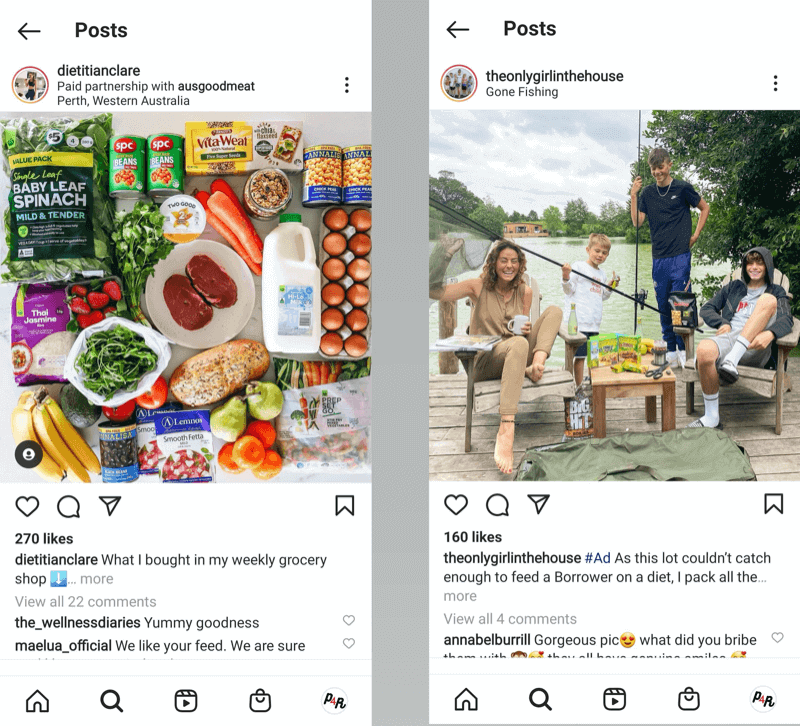
5. Sponsored Posts
Sponsored posts are boosted versions of organic content designed to reach a larger, targeted audience.
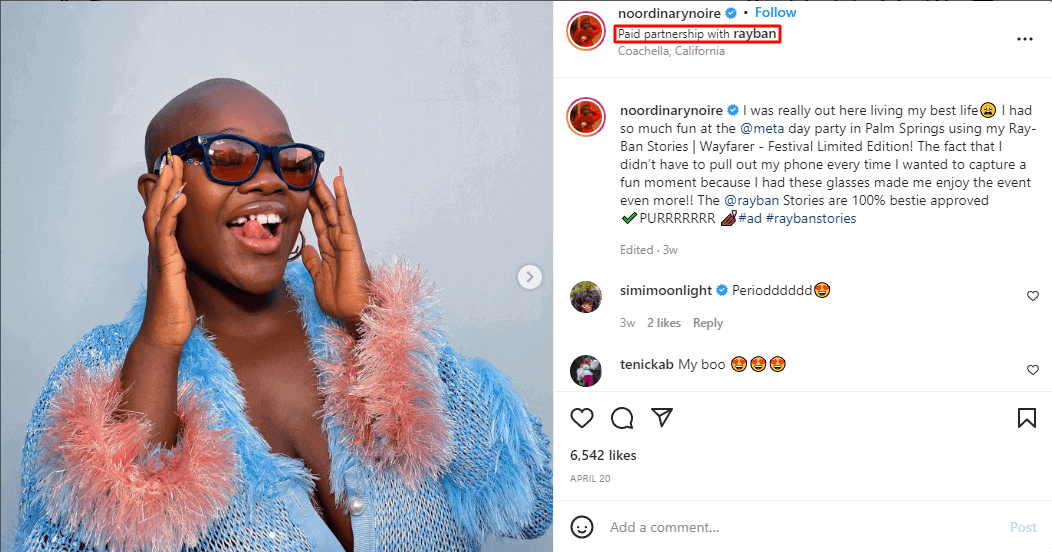
6. Influencer Collaborations
Influencer collaborations leverage the trust and authenticity influencers have built with their followers.
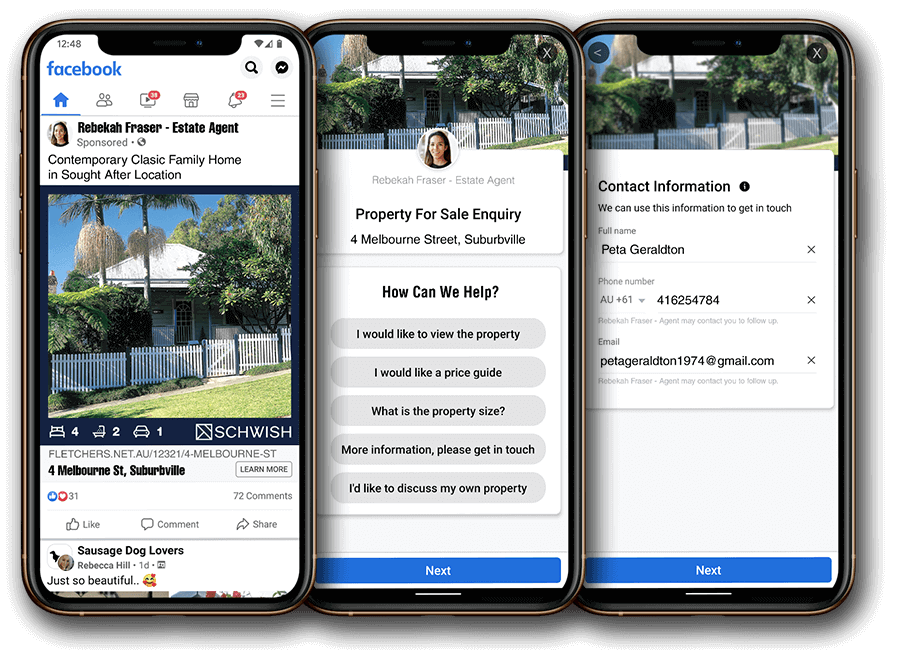
7. Lead Generation Ads
Lead generation ads collect user information such as email addresses directly within the social media platform.
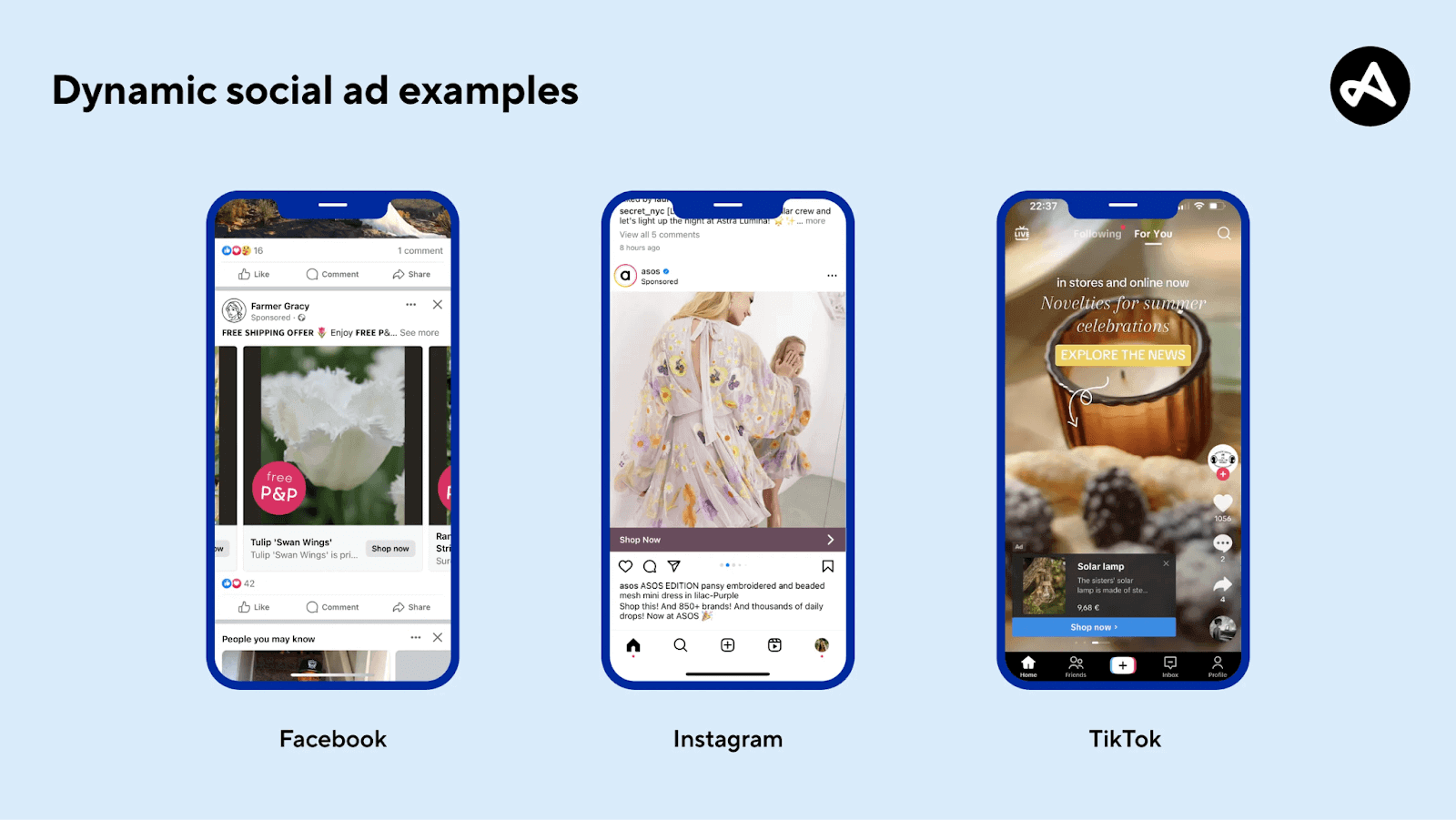
8. Dynamic Ads
Dynamic ads personalize the user experience by automatically showcasing content based on browsing behavior or interests.
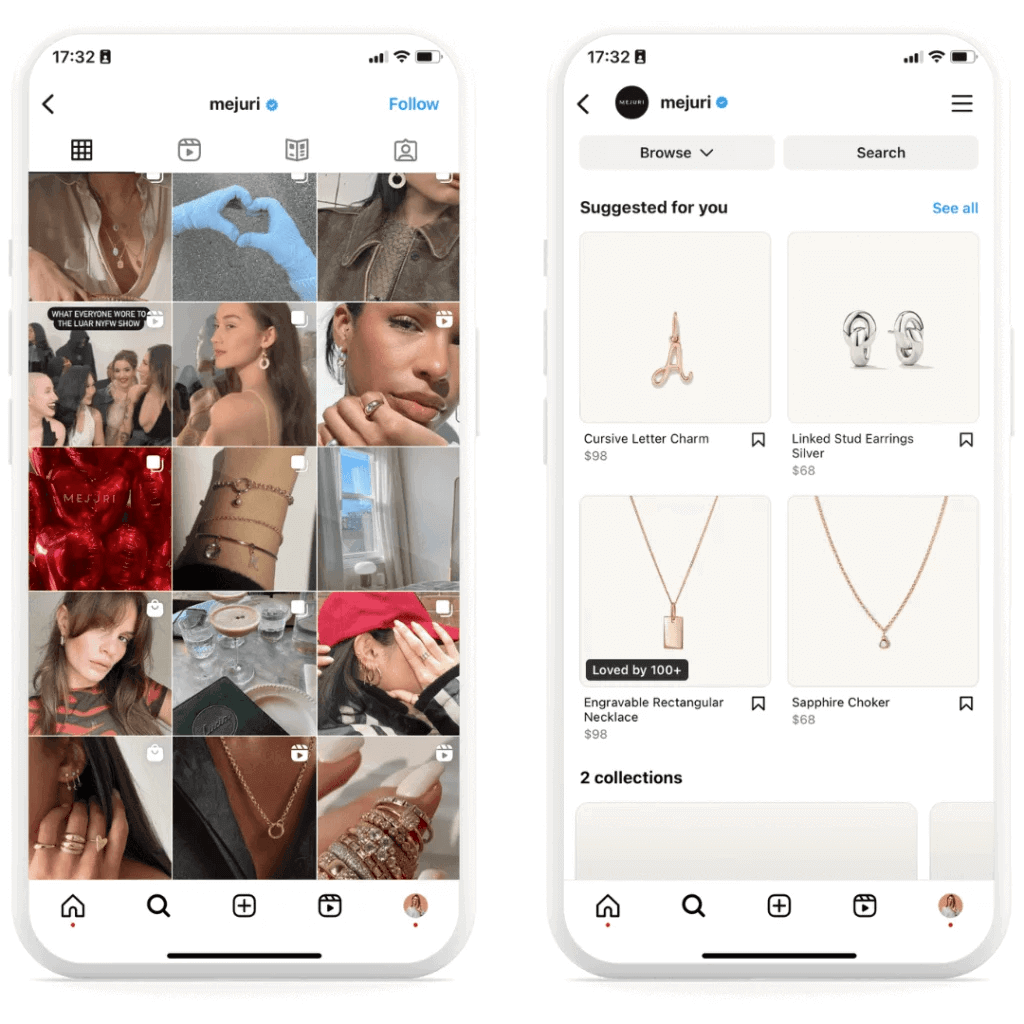
9. Shopping Ads
Shopping ads enable users to browse and purchase products directly from Instagram Shops, Facebook Shops, Pinterest, and TikTok.
Advertising Trends for 2026
Every agency is talking about AI and personalization. Here's what you need to know to stay ahead:
- Understanding Perfect Timing – AI tracks when people are most likely to buy and shows ads at those golden moments.
- Cross-Platform Understanding – AI connects behavior across Instagram, LinkedIn, and YouTube.
- Smart Ad Delivery – AI learns each person's habits and adjusts ad timing automatically.
- Dynamic Audiences – Audience groups update constantly based on real behavior.

Predictive Analytics
Predictive analytics helps your agency work smarter, not harder:
- Spotting Trends Before They Happen – Flag subtle performance drops before they become problems.
- Budget Optimization – AI recommends budget shifts based on historical performance.
- AR and VR – AR experiences that drive sales, like virtual furniture placement.
- Short-Form Videos – Videos that sell while entertaining, not just trend-chasing.
TikTok: Catch attention in the first second. Instagram Reels: Slightly more polished content. YouTube Shorts: Educational content that solves specific problems.
Social Commerce
In 2026, if you're not making social platforms work as sales channels, you're leaving money on the table.
- Product launches where customers can ask questions and buy instantly
- Behind-the-scenes events that make customers feel special
- Limited-time offers that create real urgency
- Tagging products in organic content naturally
- Creating carousel ads that tell a story while showcasing products
Micro-Influencers
Smaller influencers are often better for your clients—their audiences trust them, they're cheaper, and engagement rates are usually way higher.
- Creating long-term partnerships instead of one-off posts
- Letting influencers have creative freedom within guidelines
- Measuring success beyond just likes and comments
- Using influencer content in paid ads for better performance
Brand Ethics and Sustainability
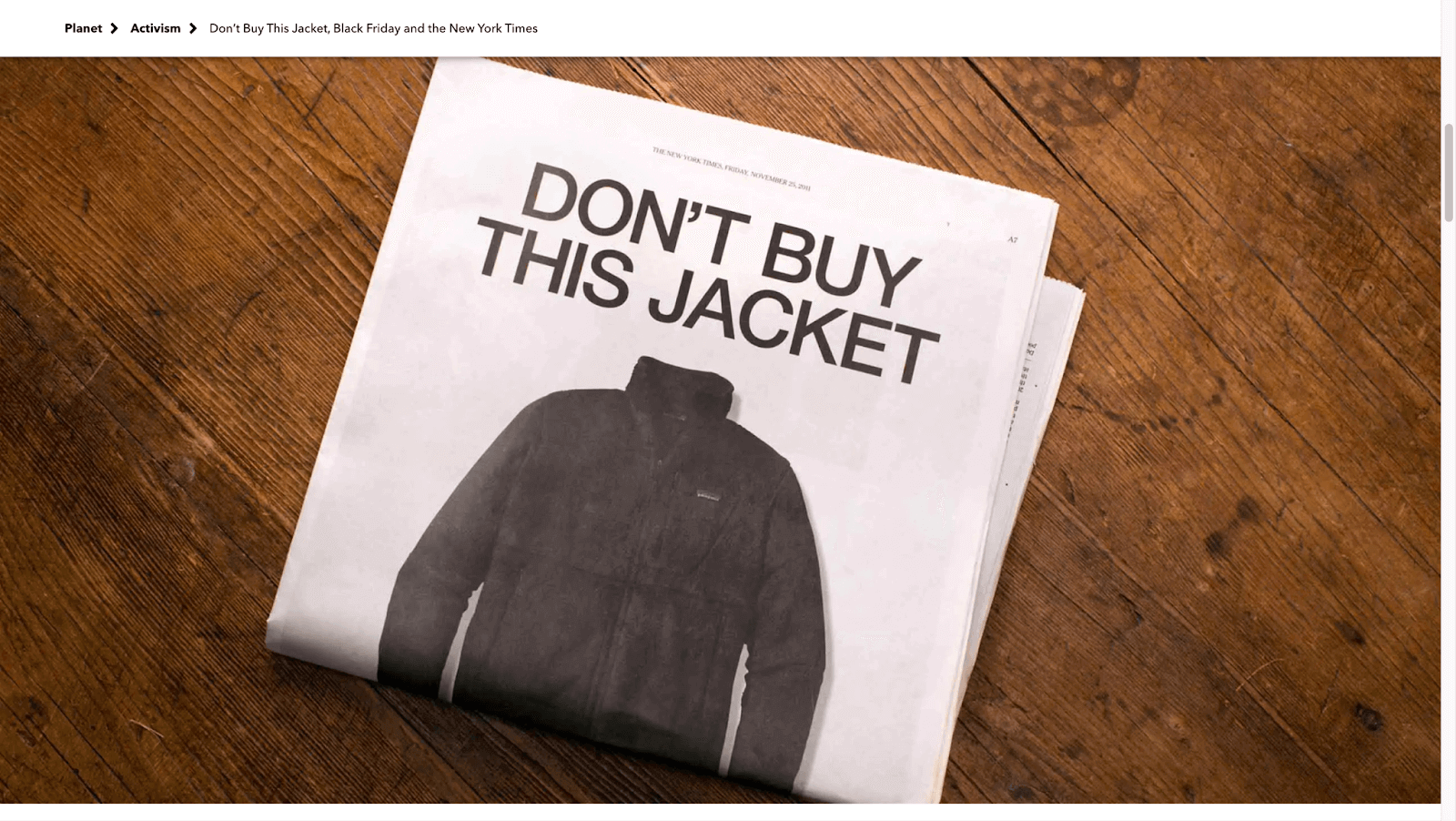
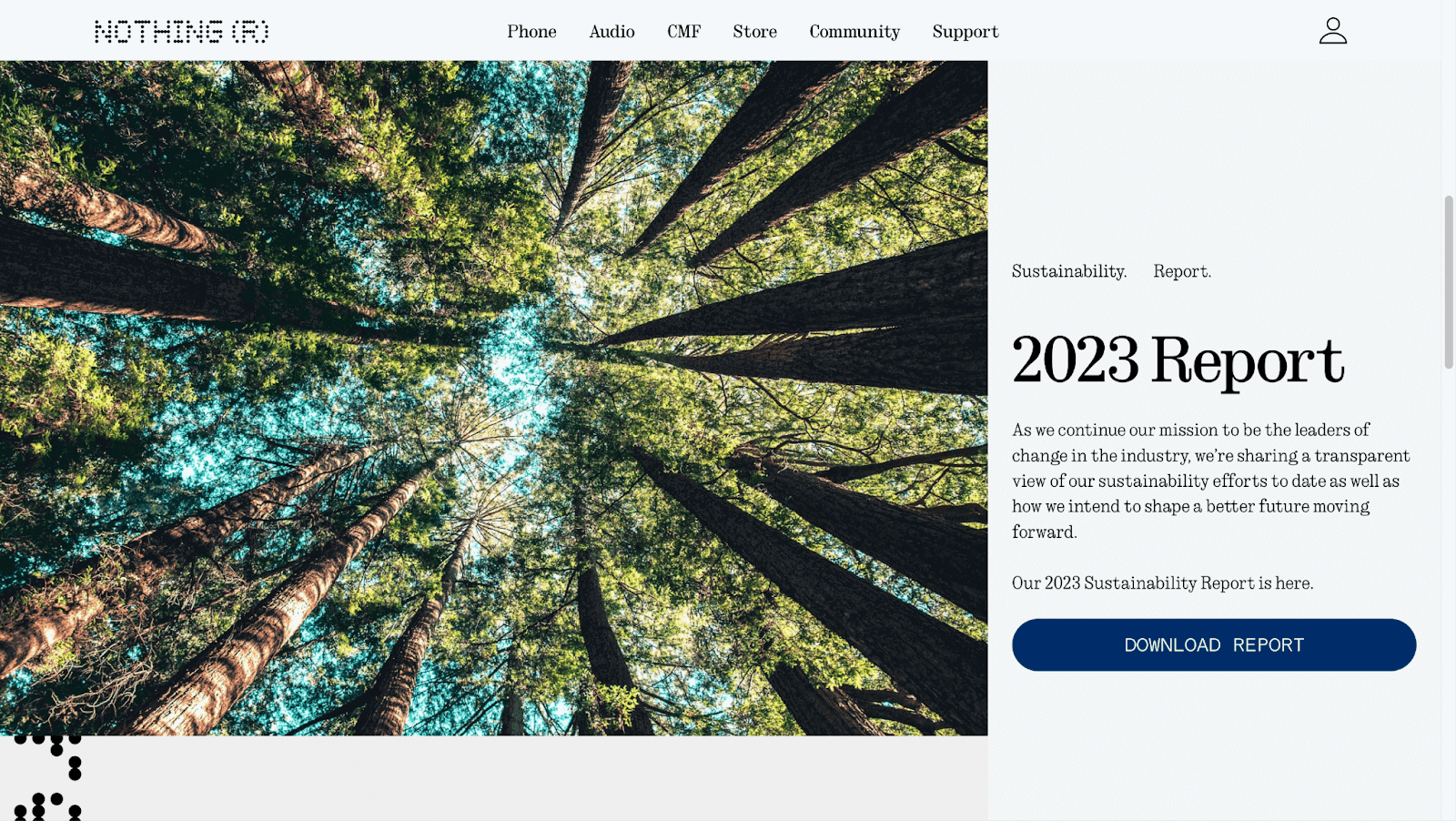
Greenwashing no longer cuts it. Agencies must help clients craft genuine, data-backed narratives.
1. Showcasing Specific Actions
Brands like Patagonia and IKEA share tangible sustainability steps—not vague "eco-friendly" claims.
2. Using Real Data to Back Claims
CO2 reductions, waste diverted from landfills, and third-party certifications like B Corp build trust.
3. Educating Consumers
Explainer videos, customer stories, and webinars bridge the gap between awareness and action.
Trends for Facebook & Instagram in 2026
Instagram Stories
Stories are a powerful sales tool—use flash sales, countdowns, polls, and direct purchase links.
Native Reels Content
Repurposing TikToks doesn't always work. Create Reels that feel native—polished yet relatable.
AI-Powered Targeting
Meta's dynamic ad tools automatically adjust creative and placement based on user behavior.
Dynamic Ads (DPAs)
Dynamic product ads show items most likely to interest a user based on browsing history.
Purposeful Cross-Posting
Tailor content to each platform's format. What works on Facebook doesn't always work on Instagram.
LinkedIn Advertising Tips
Share value-driven content, leverage LinkedIn Ads with advanced targeting, encourage conversations, and establish thought leadership. Synup helps agencies streamline local listings and reputation management for more targeted LinkedIn content.
Twitter / X Advertising Tips
Focus on short-form content, trends and hashtags, and Twitter threads for longer stories. Promoted Tweets, Promoted Accounts, Twitter Cards, Promoted Trends, and Follower Ads each serve different campaign goals.

Key Takeaways
- Use rich audience data from Facebook, Instagram, LinkedIn, and Twitter to target users based on behavior and interests.
- Engage your audience with polls, quizzes, and shoppable posts on Instagram and Facebook.
- Continuously A/B test ads, creatives, and audience segments on Facebook and Instagram.
- Ensure messaging is consistent across platforms while tailoring content to each audience.
- Video ads and short-form content grab attention and drive engagement across TikTok, Instagram, and Facebook.
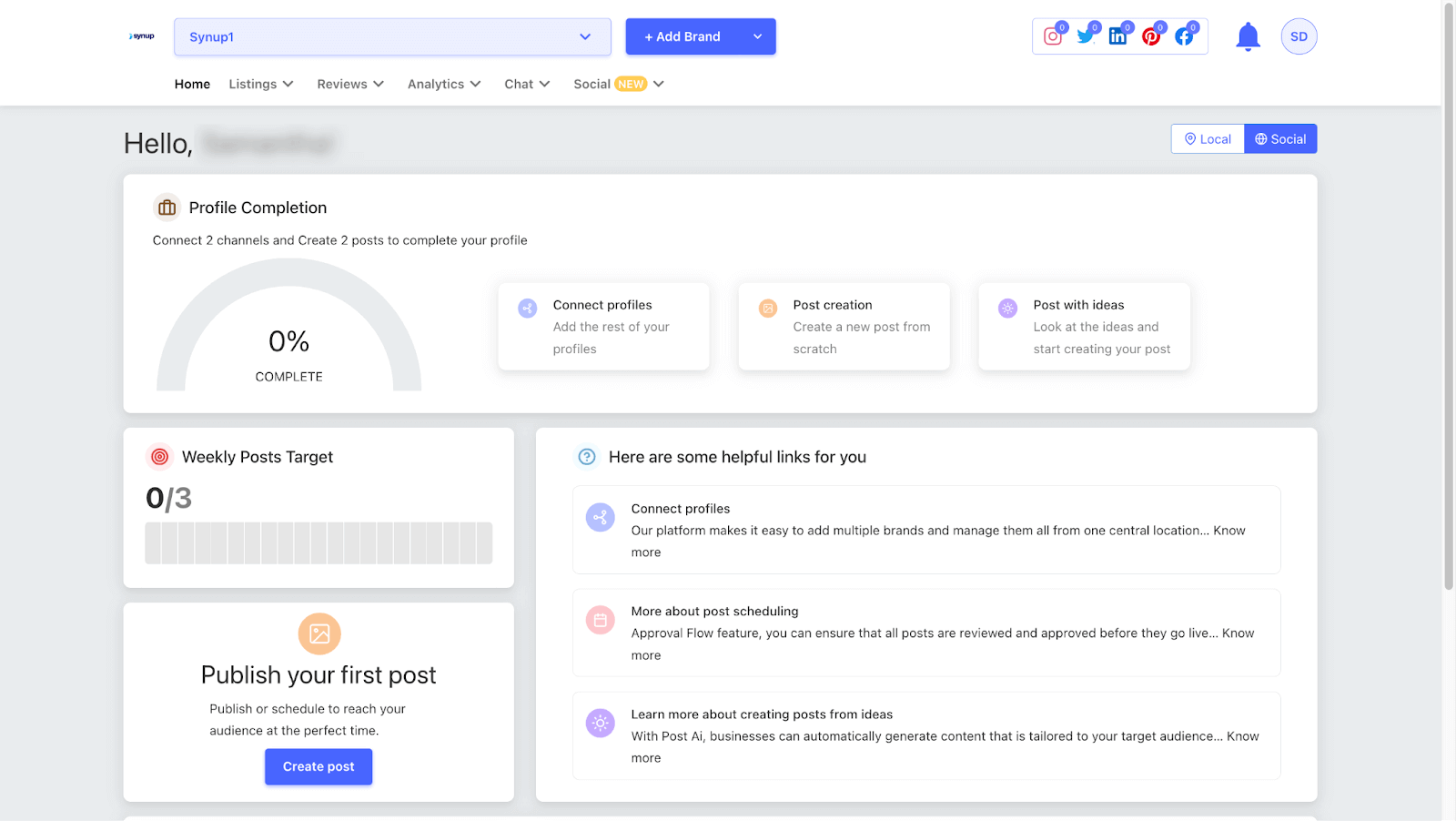
Synup is an all-in-one platform that simplifies social media management for agencies—schedule posts, track engagement, and monitor performance across multiple channels from a centralized dashboard.