


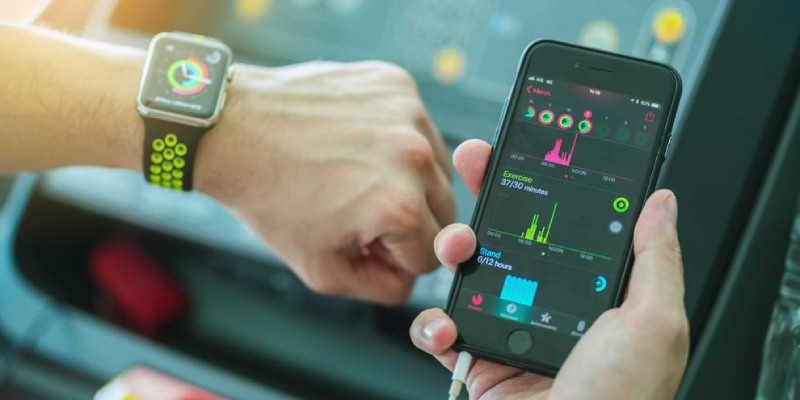
In your framework, Wearables & Trackers represent the transition from “guessing” to “knowing.” We are no longer in the era of simple step counters; in 2025, wearables have evolved into sophisticated biometric laboratories that you wear on your wrist, finger, or even inside your clothing. This vertical is the primary bridge between the physical athlete and the AI & Data Analytics that drive modern sport.
The 2025 Wearable Hierarchy
The market has segmented into specific “form factors” based on how an athlete needs to move:
1. The Powerhouses (Smartwatches)
Devices like the Apple Watch Ultra 2 and Garmin Fenix 8 are the command centers. They offer dual-frequency GPS for sub-meter accuracy and “Training Readiness” scores that tell you if today is a day for a PR or a day for a nap.
- Best for: Runners, triathletes, and outdoor adventurers who need navigation and real-time pacing.
2. The Discreet Trackers (Smart Rings)
2025 is the year of the Smart Ring (Samsung Galaxy Ring, Oura Gen 4). Because they sit on the finger—where skin is thinner and blood vessels are closer to the surface—they often provide more accurate heart rate variability (HRV) and sleep data than wrist-based trackers.
- Best for: Recovery-focused athletes and those who want 24/7 data without “notification fatigue.”
3. The Invisible Edge (Smart Clothing & Textiles)
We are seeing a pivot from “clipping on” a pod to sensors embedded directly into the fabric. Smart shirts can now monitor respiratory rate and muscle activation (EMG), while smart insoles track “ground reaction force” to predict when a runner’s form is breaking down.
- Best for: Professional teams and elite athletes focused on biomechanical efficiency and Injury Prevention.
Key 2025 Tech Trends: Beyond the Heart Rate
What makes a 2025 tracker different from a 2022 model? It’s all about the Biosensors:
- Continuous Glucose Monitoring (CGM): Once only for diabetics, athletes now use “supersapiens” tech to see exactly how their Power Nutrition affects their blood sugar in real-time.
- Lactate & Hydration Sensing: New skin patches can now analyze sweat to tell an athlete exactly when they are becoming dehydrated or when they’ve crossed their lactate threshold.
- Cortisol & Stress Tracking: By measuring skin conductance (EDA), wearables can now quantify “Mental Load,” helping athletes manage the pressure discussed in the Mindset vertical.
The “So What?” Factor: Actionable Intelligence
The biggest shift in the industry is the move from Data to Insight. A tracker that tells you “your heart rate was 160” is a gadget. A tracker that says, “Your HRV is low and your core temperature is rising; you are likely getting sick, skip today’s workout” is a guardian.
“Data is the new oil, but only if you have the engine to burn it. In 2025, your wearable is that engine.”
Conclusion
As the Wearables & Trackers vertical continues to grow, it will move closer to the body—and eventually inside it (with ingestible sensors). For the modern athlete, these devices are the ultimate accountability partners, ensuring that every drop of sweat is accounted for and every hour of sleep is optimized.